



Tan Tan Ramen (Tantanmen)

What is tan tan ramen?
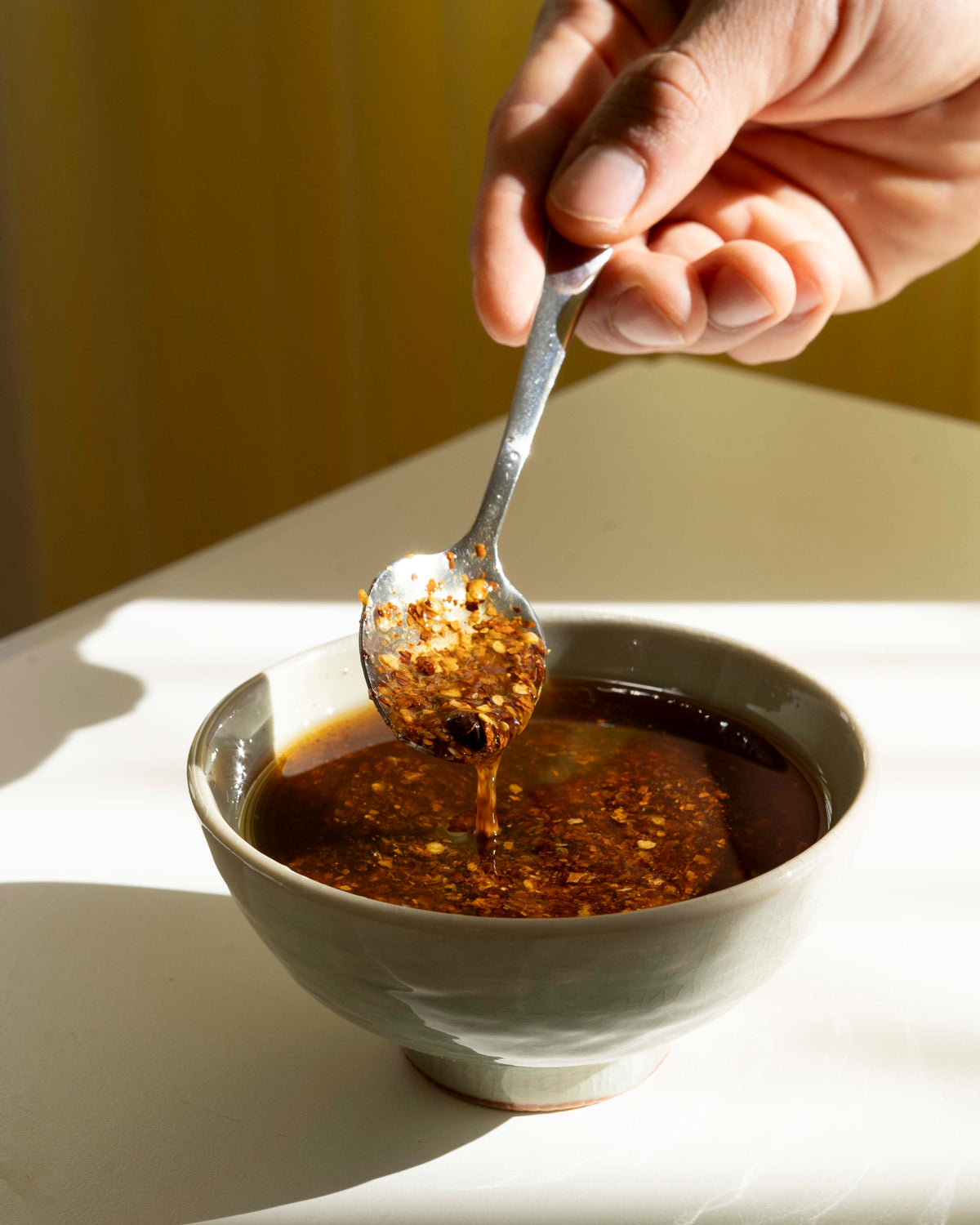
Tan Tan Ramen, or tantanmen (坘々麺) as it is called in Japan, is a unique variety of ramen that differs from the classic types such as shio, miso and shoyu ramen. This dish is known for its characteristic spicy soup, which gets its flavor from a Japanese chili oil called ra-yu (we have made a recipe for the chili oil here ) and the strong bean paste doubanjiang. The soup's unique color comes from sesame paste and soy milk, which provide a mild base that lets the spices stand out. Tan Tan Ramen is typically served with fried, sweet and salty minced pork and fresh green vegetables, which creates a perfect balance between sweet and strong flavors. We have also topped it off with some easy and quick ramen eggs, for which you can find a recipe here .
The dish can also be made vegetarian, where pork is replaced with mushrooms or tofu, which are fried crispy in the same "marinade".
Ingredients for meat
- 400 g minced pork
- 5 cm ginger
- 2 tablespoons neutral oil (sunflower or rapeseed oil)
- 4 cloves of garlic
- 2 tablespoons mirin
- 2 tbsp doubanjiang (can also be replaced by sambal oelek or sriracha)
- 4 teaspoons of soy
Ingredients for kelp sauce
- 4 tablespoons Japanese sesame paste (neri goma) or tahini
- 2 tsp miso
- 4 tablespoons soy
- 2 teaspoons rice wine vinegar
- 2 tablespoons ra-yu (Japanese chili oil) - we have created a recipe so you can easily make the oil yourself here
Ingredients for soup
- 600 ml chicken broth
- 600ml of your preferred milk or plant-based drink, just make sure it's not sweetened - we've used unsweetened soy drink
- approx. 400 g ramen noodles
Topping
- 2 bok choy
- 4 ramen eggs - we have made a recipe for easy and quick ramen eggs here
- Optional spring onions, sesame seeds and chilli oil
Procedure
Make sure you have all the ingredients ready for the dish, as the ramen must be served piping hot and the noodles can quickly become too soft.
We start with the meat
- Mince the garlic and grate the ginger finely
- Heat flavorless oil in a pan and add meat
- Fry the meat until it is no longer pink
- Add mirin and stir
- Add grated ginger and minced garlic and stir
- Add doubanjiang and soy and stir
- Put the pan on a low heat and let the meat simmer until the liquid is gone
- Then fry the meat until it is crispy
- Remove the meat from the heat and set it aside with foil over it to keep it warm
Kelp sauce
- Mix all ingredients. You can do it directly in your ramen bowl - so just be careful to mix 1/4 in each ramen bowl (as this recipe, and thus the ingredient list, is for four servings)
Soup
- Pour the milk and stock into a saucepan and bring to the boil. When it starts to bubble, turn down the heat
- Add a pinch of salt and keep the stock warm until serving
Bok choy
- Put a pan of water over it
- Quarter and rinse your bok choy
- Blanch bok choy by placing them in boiling water for approx. 2 minutes (or until the bottom piece has become tender but still crispy)
- Cover with cold water and set aside
Noodles
- Cook the noodles according to the instructions on the package. You can use the same water that you cooked the bok choy in
- Drain noodles and set aside
Serving
- If you have not already mixed the kelp sauce into your ramen bowls , add it to the bowls you are going to serve in now
- Pour the hot soup over the kelp sauce and mix well. Remember that there must be room for noodles and toppings
- Add the cooked noodles and then meat and bok choy on top
- Add additional toppings of your choice. Here we have served it with homemade ramen eggs , spring onions and sesame seeds on top
- If necessary, drizzle with a little Japanese chili oil (ra-yu) before serving